Blog

  • Flynn Portal: Enterprise Workflow Contexts Within a Unified Digital Workspace

    Disclaimer: This page is an independent educational resource and is not affiliated with or operated by any official organization or service.

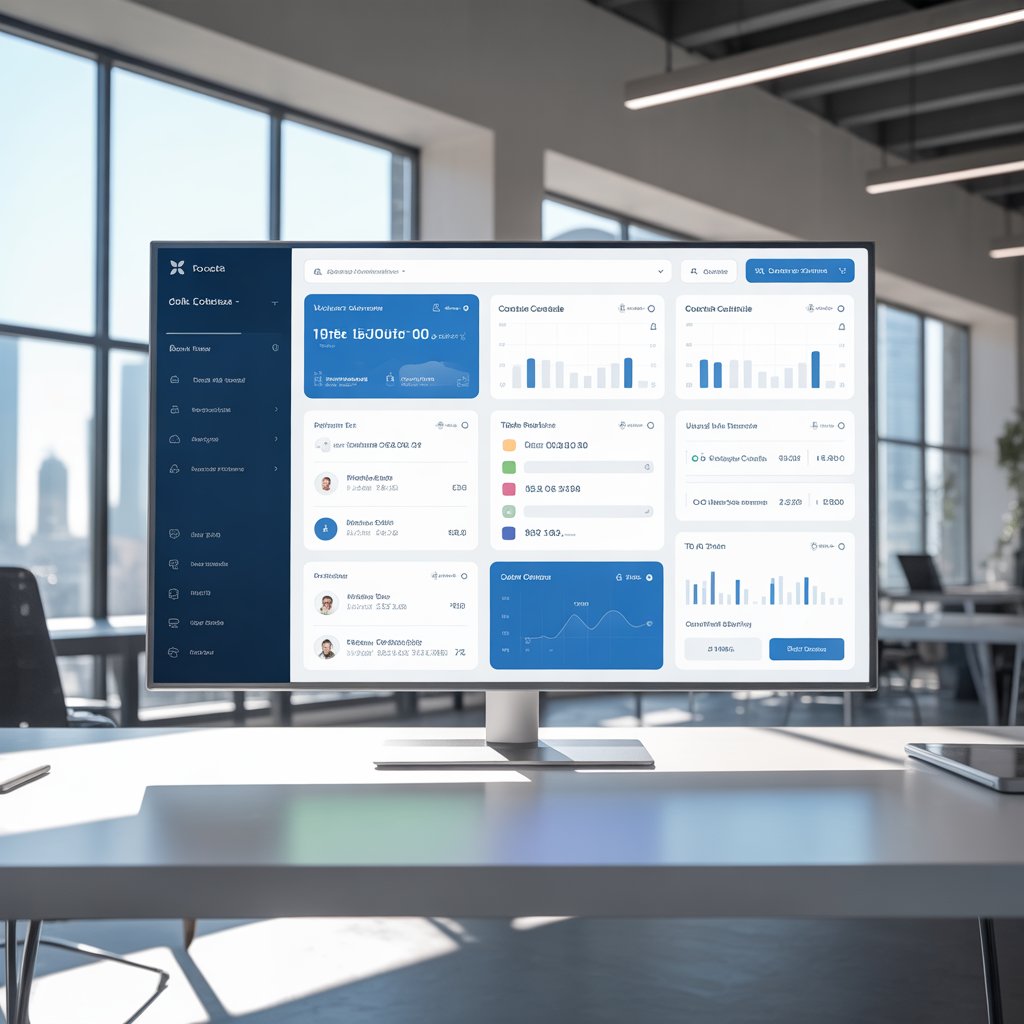
    The flynn portal can be interpreted as a structured model illustrating how corporate digital platforms contextualize workflow management systems within a unified Digital Workspace. In Corporate Systems, a Business Portal integrates enterprise applications into a coherent Portal Structure supported by defined Platform Architecture principles. The flynn portal highlights how structured System Navigation and role-based dashboards frame enterprise workflows without implying operational control or system ownership.

    Flynn Portal and Enterprise Workflow Context

    Within enterprise environments, the flynn portal typically provides structural visibility into workflows through organized dashboard presentation. Workflow Management in this context refers to:

    • Sequential process representation
    • Status-based task visibility
    • Structured event tracking
    • Consolidated dashboard summaries

    These mechanisms operate within a disciplined Navigation Model to preserve structural clarity.

    Flynn Portal Platform Architecture and Workflow Alignment

    Platform Architecture in the flynn portal ensures that workflows remain aligned with integrated enterprise modules. Architectural coordination commonly includes:

    • Modular service containers
    • Unified interface standards
    • Structured dashboard configuration
    • Controlled System Integration pathways

    This architectural foundation allows the Digital Workspace to reflect consistent workflow contexts across Corporate Systems.

    Navigation Model and System Navigation Frameworks

    System Navigation within the flynn portal emphasizes predictability and structural alignment. Navigation frameworks are typically based on:

    • Hierarchical categorization
    • Role-defined dashboard entry points
    • Context-aware interface transitions
    • Standardized layout conventions

    Through this Navigation Model, workflows are interpreted visually within a structured Portal Structure rather than through isolated modules.

    Business Portal Use Contexts in Corporate Systems

    In a Business Portal environment such as the flynn portal, workflow contexts are often presented through:

    • Consolidated dashboard layers
    • Integrated reporting summaries
    • Cross-module visibility panels
    • Structured task groupings

    These elements demonstrate how Digital Workspace frameworks support interpretive clarity within unified Corporate Systems.

    Conclusion

    The flynn portal illustrates how enterprise digital platforms contextualize workflows, align dashboards, and maintain structured System Navigation within a unified Digital Workspace. Through coherent Portal Structure and disciplined Platform Architecture, such Business Portal environments preserve architectural stability while presenting organized workflow visibility across Corporate Systems.
  • Flynn People Portal: Typical Content Categories in a Business Portal Environment

    Disclaimer: This page is an independent educational resource and is not affiliated with or operated by any official organization or service.

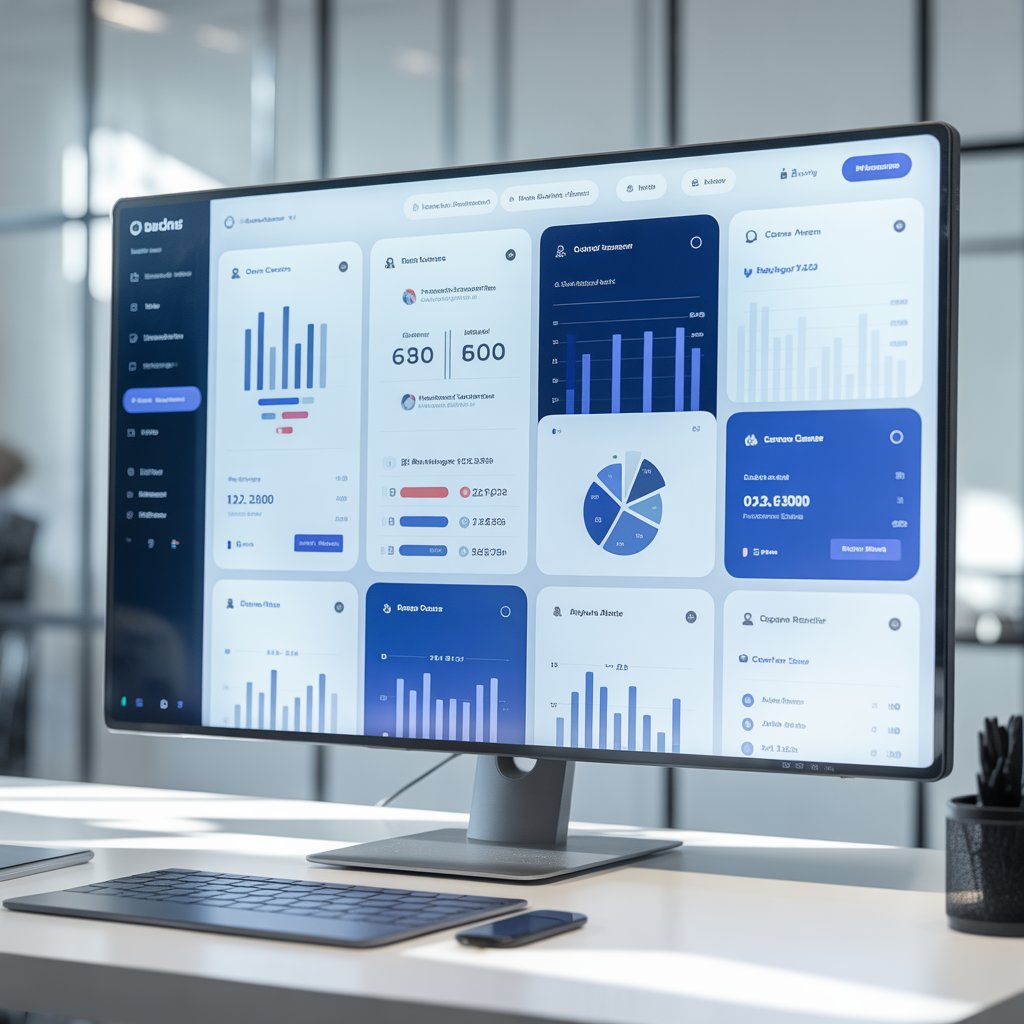
    The flynn people portal can be examined as a representative example of how corporate digital platforms categorize and group enterprise applications within a structured Digital Workspace. In unified Corporate Systems, a Business Portal typically arranges dashboards, modules, and navigation layers into clearly defined categories. The flynn people portal illustrates how Portal Structure and Platform Architecture support systematic grouping, enabling consistent System Navigation without operational fragmentation.

    Flynn People Portal Functional Categories

    Within structured Business Portal environments, the flynn people portal may organize applications into recurring functional groupings. These groupings generally reflect architectural design rather than isolated tool placement.

    Common category types include:

    • Operational dashboards
    • Process monitoring panels
    • Administrative modules
    • Analytical overviews
    • Integrated system connectors

    Such categorization supports a coherent Navigation Model across Corporate Systems.

    Flynn People Portal and Role-Based Dashboard Segmentation

    Role-based segmentation is a foundational structural element in the flynn people portal. Dashboards are often grouped according to organizational alignment rather than purely technical function.

    Typical segmentation patterns include:

    • Department-oriented dashboards
    • Responsibility-based visibility layers
    • Contextual task grouping
    • Consolidated reporting panels

    This approach ensures that the Digital Workspace reflects structured Portal Structure principles.

    Application Clustering in Platform Architecture

    Platform Architecture within the flynn people portal emphasizes clustering related applications to maintain logical integrity. Application clusters are frequently organized based on:

    • Shared operational domains
    • Data interdependencies
    • Functional alignment
    • Integration proximity

    System Navigation remains stable because the Navigation Model aligns clusters with standardized interface patterns.

    Business Portal Structural Consistency

    A Business Portal environment such as the flynn people portal reinforces consistency through:

    • Unified visual standards
    • Repeatable dashboard layouts
    • Modular tile organization
    • Controlled expansion frameworks

    These structural elements reduce variability across Corporate Systems while maintaining architectural discipline.

    Conclusion

    The flynn people portal demonstrates how enterprise platforms organize dashboards, modules, and applications into structured categories within a Digital Workspace. Through deliberate Portal Structure design, coherent Navigation Model logic, and disciplined Platform Architecture, such environments maintain clarity and integration stability across Corporate Systems.

  • Flynn Portal: Information Organization and Navigation Model in Corporate Systems

    Disclaimer: This page is an independent educational resource and is not affiliated with or operated by any official organization or service.

    The flynn portal represents a structured Business Portal environment that organizes enterprise applications within a unified Digital Workspace. In corporate contexts, such a portal demonstrates how Platform Architecture governs information grouping, dashboard visibility, and structured System Navigation. The flynn portal illustrates how Portal Structure supports logical classification of modules while maintaining architectural integrity across Corporate Systems.

    Information Classification Within Flynn Portal

    The flynn portal commonly relies on multi-level classification frameworks. These frameworks support the organization of applications and dashboards into coherent categories such as:

    • Operational domains
    • Administrative clusters
    • Analytical dashboards
    • Integrated system modules

    This classification system ensures that the Digital Workspace remains logically structured rather than functionally fragmented.

    Flynn Portal and Structured System Navigation

    System Navigation in the flynn portal is typically aligned with a predefined Navigation Model. Key characteristics include:

    • Hierarchical menu logic
    • Tile-based interface presentation
    • Role-aligned dashboard segmentation
    • Context-aware grouping of applications

    Through this approach, Portal Structure reinforces consistency within Corporate Systems.

    Platform Architecture Supporting Portal Structure

    The structural integrity of the flynn portal depends on disciplined Platform Architecture. Architectural coordination commonly includes:

    • Modular application containers
    • Unified interface frameworks
    • Controlled integration endpoints
    • Centralized dashboard configuration standards

    These principles ensure that System Navigation pathways remain consistent even as enterprise applications evolve.

    Digital Workspace and Business Portal Integration

    Within a Digital Workspace, the flynn portal integrates multiple application environments under a unified visual and structural framework. This integration:

    • Reduces interface variability
    • Aligns role-based dashboards with organizational hierarchies
    • Supports coherent Navigation Model design
    • Enhances structural clarity across Corporate Systems

    Rather than emphasizing operational control, the portal demonstrates architectural organization and information structuring principles.

    Conclusion

    The flynn portal serves as a structured example of how corporate digital platforms classify applications, align dashboards, and maintain System Navigation coherence within unified Corporate Systems. Through organized Portal Structure and disciplined Platform Architecture, such Business Portal environments preserve clarity and integration consistency across enterprise digital landscapes.

  • Flynn People Portal: Structural Foundations of a Corporate Digital Workspace

    Disclaimer: This page is an independent educational resource and is not affiliated with or operated by any official organization or service.

    The flynn people portal can be examined as a structural example of how corporate digital platforms organize access to enterprise applications within a unified Digital Workspace. In enterprise environments, a Business Portal typically consolidates tools, dashboards, and navigation layers into a coherent Portal Structure. The flynn people portal represents a conceptual model illustrating how Platform Architecture supports structured System Navigation and role-based visibility across Corporate Systems without fragmenting operational clarity.

    Flynn People Portal Core Platform Architecture

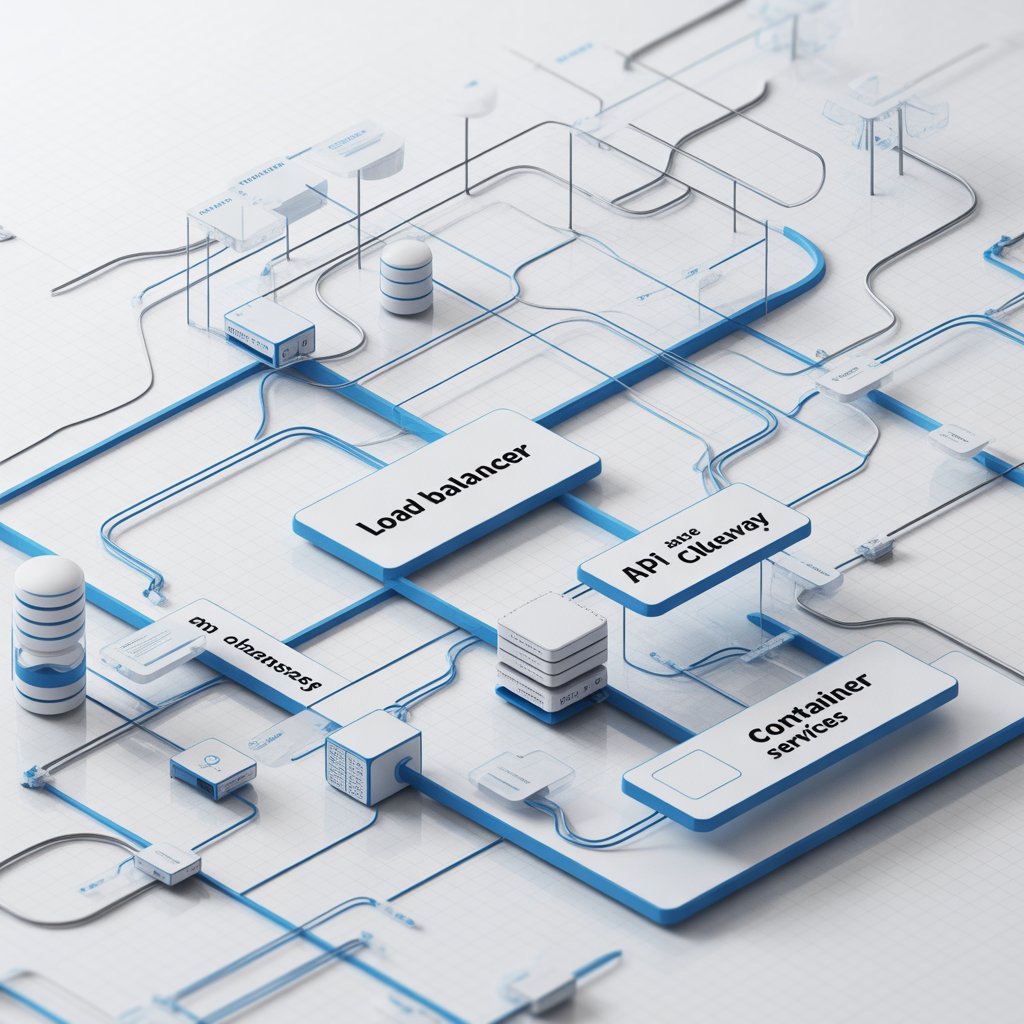
    The flynn people portal reflects a layered Platform Architecture model commonly used in corporate environments. This architecture generally consists of:

    • Presentation layer (role-based dashboards and interface components)
    • Application layer (integrated enterprise modules)
    • Data coordination layer (structured information flows)
    • Governance framework (role segmentation and visibility logic)

    This layered structure enables Digital Workspace consistency while maintaining separation between system complexity and user-facing interface logic.

    Flynn People Portal and Portal Structure Alignment

    A defining characteristic of the flynn people portal is its structured Portal Structure. Rather than functioning as a collection of isolated applications, the portal organizes modules according to functional domains and operational groupings.

    Typical structural attributes include:

    • Categorized application tiles
    • Standardized Navigation Model
    • Centralized dashboard overview panels
    • Contextual grouping of related system functions

    Such structuring ensures System Navigation remains predictable and logically organized within Corporate Systems.

    Navigation Model and System Navigation Logic

    Within a Digital Workspace environment, the Navigation Model plays a central role. In the flynn people portal, navigation is typically based on:

    • Role segmentation principles
    • Hierarchical menu frameworks
    • Context-sensitive dashboard displays
    • Modular integration points

    System Navigation under this model ensures that enterprise applications remain accessible through unified structural pathways rather than dispersed entry points.

    Structural Coherence in Business Portal Environments

    Business Portal frameworks such as the flynn people portal emphasize architectural coherence. Structural coherence is achieved by:

    • Maintaining consistent interface standards
    • Aligning dashboard visibility with organizational roles
    • Supporting integration through shared architecture principles
    • Reducing operational silos within Corporate Systems

    These characteristics position the flynn people portal as a structured Digital Workspace model within enterprise platform design.

    Conclusion

    The flynn people portal illustrates how corporate digital platforms structure access to enterprise applications through disciplined Platform Architecture, organized Portal Structure, and systematic Navigation Model design. By integrating these components within a unified Digital Workspace, such environments maintain clarity, consistency, and structured System Navigation across Corporate Systems.